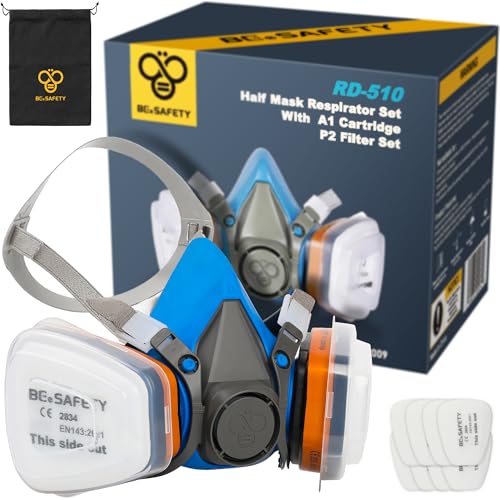
VOC exposure has a meaningful occupational health context worth understanding alongside typical residential off-gassing exposure.
- Certain occupations carry established, OSHA-regulated occupational VOC exposure.
- Combined occupational-plus-residential exposure is a relevant total exposure consideration.
- Workers with occupational exposure may benefit from being especially attentive to residential exposure timing.
- This combined-exposure awareness parallels the pattern seen with other hazards like asbestos and radon.
Occupational Exposure Contexts
Certain occupations (painting trades, certain manufacturing, nail salon work, some cleaning professions) carry established occupational VOC exposure risk, regulated under OSHA permissible exposure limits distinct from general residential guidance.
Combined Exposure Considerations
A worker with occupational VOC exposure who also experiences elevated residential exposure (new home furnishing, for example) faces combined total exposure worth being aware of, particularly during periods of overlapping high exposure from both sources.
Practical Awareness for Affected Workers
If you work in an occupation with known VOC exposure, being especially attentive to minimizing avoidable residential exposure during periods when occupational exposure is already elevated (a particularly demanding work period, for example) is a reasonable combined-exposure-aware practice.

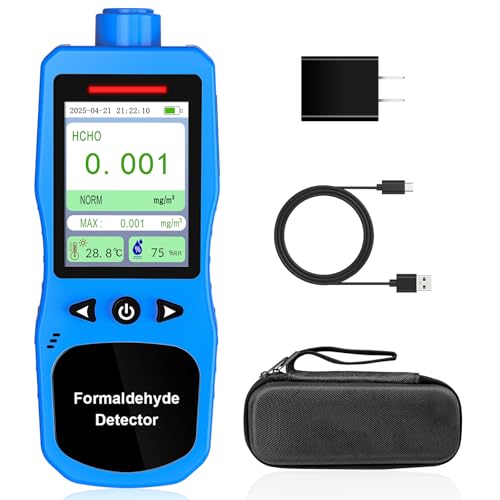

What Travels Home on Clothing and Equipment
Occupational hygiene has long recognized that exposure does not always stop at the workplace door. Solvent-laden clothing, boots, gloves and equipment brought into a vehicle and then into a home can carry residue with them, and a closed car on a warm day is a particularly efficient way to concentrate it. This is a recognized pathway for other workplace contaminants and the same handling logic applies here.
The practical measures are unremarkable and mostly free. Where the work involves solvents, changing before leaving rather than after arriving, keeping work clothing out of shared living and sleeping areas, washing it separately, and ventilating the vehicle all reduce what comes indoors. Where an employer provides on-site changing facilities or laundering, using them is generally the most effective single step available.
Where to Get Information About Your Own Workplace Exposure
General residential guidance is not the right reference for occupational exposure, which is governed separately and is specific to the substances actually in use. The document that describes those substances is the safety data sheet for each product, which identifies the material, its hazards and the handling and protective measures the manufacturer specifies. Employers in covered workplaces generally maintain these, and asking to see the sheet for a product you work with is an ordinary request rather than a confrontational one.
Questions about what your employer is required to provide, measure or disclose are regulatory questions rather than indoor air questions, and the accurate answer depends on the workplace, the substances and the jurisdiction. The federal occupational safety agency and its state equivalents publish guidance on those obligations and are the appropriate source, alongside any union or safety representative where one exists.
FAQ
Does my job in a painting trade affect how I should think about home VOC exposure?
Combined occupational-plus-residential exposure is worth being aware of — consider being especially attentive to minimizing avoidable home exposure during periods of already-elevated occupational exposure.
Should I change clothes before coming home from a solvent-heavy job?
Where it is practical, yes. Changing at work, keeping work clothing out of living and sleeping areas and laundering it separately are the standard measures for limiting what gets carried indoors.
Can I ask my employer what I am being exposed to?
Asking for the safety data sheet for a product you use is a normal request and those sheets are ordinarily maintained where such products are in use. For questions about what must be measured or disclosed, the occupational safety regulator for your state is the right source.
For occupation-specific exposure questions, consult an occupational health specialist or your employer’s safety program.
These statements have not been evaluated by the Food and Drug Administration. This information is not intended to diagnose, treat, cure, or prevent any disease. Content is for informational purposes only and is not medical advice; consult a qualified healthcare provider before starting any supplement. As an Amazon Associate we earn from qualifying purchases.