Volatile organic compounds (VOCs) and formaldehyde are common indoor pollutants that come from building materials, furnishings, cleaning products, and everyday activities [1]. While most healthy adults can tolerate low‑level exposure without obvious symptoms, certain groups experience stronger health effects at the same concentrations.
Understanding who is most vulnerable helps homeowners prioritize testing, ventilation, and product choices. This article outlines the populations at greatest risk, explains why their bodies respond differently, and offers practical, cost‑aware actions you can take today.
- Children, pregnant people, older adults, and those with chronic lung or heart disease experience stronger health effects from the same VOC/formaldehyde levels.
- Higher breathing rates, developing organ systems, and reduced detox capacity explain the increased susceptibility.
- Source control (low‑emission products), consistent ventilation, and targeted air cleaning are the most effective, evidence‑based strategies.
- Professional testing is recommended when symptoms persist, after major renovations, or if a vulnerable occupant lives in the home.
Why Children Are More Sensitive to VOCs and Formaldehyde
Children breathe more air per pound of body weight than adults, so they inhale a larger dose of any airborne contaminant. Their respiratory systems and immune defenses are still developing, making them less able to detoxify or repair irritation caused by VOCs and formaldehyde.
Studies of indoor environments show that children in homes with higher formaldehyde levels report more frequent wheezing, eye irritation, and headaches. Because children spend a greater proportion of time indoors — especially in bedrooms and play areas — reducing emissions in those spaces yields the biggest health benefit.
Practical steps include choosing low‑emission certified furniture and flooring, keeping humidity between 30‑50 % to limit off‑gassing, and ensuring daily ventilation of at least 15 minutes in rooms where children sleep or play.
Pregnancy and Developmental Concerns
During pregnancy, the placenta does not fully block many low‑molecular‑weight chemicals, so the fetus can be exposed to VOCs and formaldehyde that the mother inhales. Animal and human epidemiology research links higher prenatal exposure to increased risk of low birth weight, pre‑term delivery, and altered neurodevelopment.
Pregnant individuals also experience physiological changes — increased cardiac output and altered lung volumes — that raise the amount of air (and pollutants) reaching the bloodstream. Minimizing exposure during the first trimester, when organ formation is most active, is especially prudent.
Actionable measures: avoid newly installed pressed‑wood products, paints, or adhesives in the nursery; use a portable HEPA‑activated carbon air cleaner in the bedroom; and schedule major renovations before conception or after delivery when possible.
Older Adults and People with Chronic Respiratory or Cardiovascular Conditions
Aging reduces lung elasticity and the efficiency of metabolic pathways that clear chemicals from the body. Older adults with asthma, COPD, or heart disease often notice symptom flare‑ups — coughing, shortness of breath, chest tightness — at VOC concentrations that younger, healthy people tolerate.
Formaldehyde is a known sensory irritant; even low levels can trigger bronchoconstriction in sensitized airways. Long‑term exposure may accelerate decline in lung function, compounding existing disease.
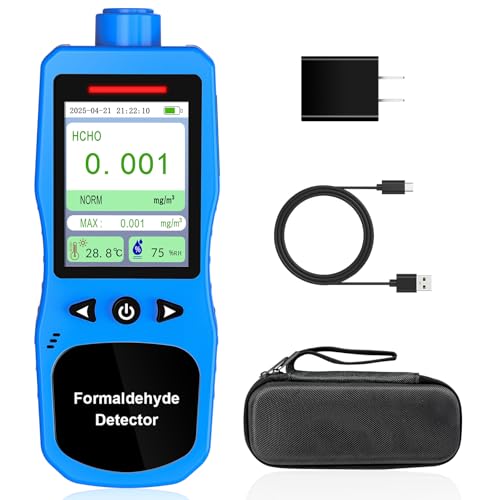
Home‑level interventions: maintain consistent mechanical ventilation (e.g., an energy‑recovery ventilator), replace aging carpet and foam padding with low‑emission alternatives, and monitor indoor air quality with a reliable VOC sensor to catch spikes early.


Occupational and High‑Exposure Household Settings
Households where a member works with paints, solvents, adhesives, or laboratory chemicals can bring residues home on clothing, tools, or skin. This “take‑home” pathway adds to background indoor levels and disproportionately affects co‑habitants who are already vulnerable.
Similarly, homes with attached garages, workshops, or recent major renovations often have elevated VOC and formaldehyde concentrations for weeks to months. The risk is amplified when ventilation is limited or when the space is sealed for energy efficiency.
Mitigation: create a decontamination zone at the entry (remove work clothes, wash hands), install a dedicated exhaust fan in the garage or workshop, and schedule a whole‑house flush‑out (open windows, run fans) after any large‑scale project.
Practical, Cost‑Aware Steps to Protect Vulnerable Occupants
Start with source control: select products labeled as low‑VOC or formaldehyde‑free (look for certifications such as GREENGUARD Gold and FloorScore, and for composite wood the TSCA Title VI label that replaced CARB Phase 2 in March 2019[2]). These typically cost 10‑30 % more than conventional options but avoid the largest emission sources.
Ventilation is the next lever. A balanced mechanical system (ERV/HRV) costs $1,500‑$3,500 installed for a typical single‑family home and provides continuous fresh air without large energy penalties. If that is out of budget, a schedule of daily cross‑drafts (open opposite windows for 10‑15 minutes) combined with bathroom and kitchen exhaust fans can bring peak concentrations down.
Air cleaning can supplement but not replace ventilation. Portable units with activated carbon filters rated for VOC removal range from $150‑$500; replace carbon media every 6‑12 months per manufacturer guidance. Finally, test the air if you suspect a problem — professional indoor‑air quality assessments run $300‑$800 and give quantitative data to guide remediation.

FAQ
How can I tell if my home has high VOC or formaldehyde levels without a professional test?
You can use a consumer‑grade VOC monitor that displays total VOC (TVOC) in parts per billion; sustained readings above 500 ppb or sharp spikes after new furniture installation suggest a problem. However, these devices cannot identify specific compounds like formaldehyde, so a professional assessment is needed for precise quantification.
Are there any certifications that guarantee a product is completely free of VOCs?
No certification can guarantee zero emissions. Labels such as GREENGUARD Gold, FloorScore, and TSCA Title VI (the federal composite‑wood standard that replaced CARB Phase 2 in March 2019) indicate that a product meets strict low‑emission thresholds under standardized test conditions. Always verify the certification is current and applies to the specific product line you are buying.
Can opening windows alone solve a formaldehyde problem after a renovation?
Cross‑ventilation dramatically lowers concentrations in the short term, but formaldehyde continues to off‑gas from pressed‑wood products for months. Combining window flushing with a mechanical ventilation system or an activated‑carbon air cleaner provides more consistent control.

Is it safe to use essential‑oil diffusers to mask VOC odors?
Essential oils add their own volatile compounds and can increase total VOC load. They do not remove formaldehyde or other VOCs and may irritate sensitive airways. Focus on source removal and ventilation instead.
When should I call a licensed indoor‑air quality professional?
If a vulnerable occupant experiences persistent respiratory symptoms, if TVOC readings stay above 1,000 ppb despite ventilation, or after large‑scale renovations where pressed‑wood, adhesives, or spray foam were used, a professional assessment and remediation plan are warranted.
This information is for educational purposes only and does not replace medical advice; consult a healthcare provider for personal health concerns and a licensed indoor‑air quality professional for testing and remediation decisions.
References
- Volatile Organic Compounds' Impact on Indoor Air Quality. U.S. Environmental Protection Agency
- Formaldehyde Emission Standards for Composite Wood Products. U.S. Environmental Protection Agency. https://www.epa.gov/formaldehyde/formaldehyde-emission-standards-composite-wood-products
These statements have not been evaluated by the Food and Drug Administration. This information is not intended to diagnose, treat, cure, or prevent any disease. Content is for informational purposes only and is not medical advice; consult a qualified healthcare provider before starting any supplement. As an Amazon Associate we earn from qualifying purchases.