Volatile organic compounds (VOCs) and formaldehyde are common indoor pollutants that can off‑gas from building materials, furnishings, and everyday products for months or years after installation. Research shows that even low‑level exposure can cause oxidative stress in skin cells, underscoring the value of reducing indoor concentrations over the long term [1].
This guide outlines evidence‑based, homeowner‑focused practices for keeping VOC and formaldehyde levels low throughout the life of a home. It covers source identification, ventilation, low‑emission product selection, ongoing monitoring, and when to involve a licensed professional.
- Identify and prioritize the highest‑emitting sources in each room.
- Install balanced mechanical ventilation (HRV/ERV) rather than relying solely on natural leakage.
- Choose certified low‑VOC and formaldehyde‑free materials for any renovation or new purchase.
- Maintain HVAC filtration and monitor IAQ trends with a reliable consumer monitor.
- Seek a licensed indoor environmental professional when levels remain high or health symptoms persist.
Understand Sources and Pathways
VOCs and formaldehyde originate from a wide range of sources: pressed‑wood products, adhesives, paints, sealants, carpet backings, and even some cleaning agents. A comprehensive review of indoor air pollutants in dwellings identifies these categories and notes that emission rates decline over time but can persist for years, especially in tightly sealed homes [2].
Knowing where the highest emitters are in your home lets you prioritize actions. For example, newly installed cabinetry or flooring often contributes the largest initial spike, while older furnishings may emit at lower, steadier rates. Mapping these sources room by room creates a practical baseline for any prevention plan.
Ventilation and Air Exchange
Consistent, controlled ventilation is the most reliable way to dilute and remove airborne VOCs and formaldehyde. A study of energy retrofits in multifamily buildings found that tightening the envelope without adding mechanical ventilation can raise indoor pollutant concentrations, while balanced ventilation systems maintain or improve air quality [3].
Practical steps include: running exhaust fans in kitchens and bathrooms during and after use; installing a whole‑house heat‑recovery ventilator (HRV) or energy‑recovery ventilator (ERV) sized to the home’s square footage; and ensuring that supply and return ducts are sealed and balanced. The same review of indoor air determinants highlights that ventilation rate, occupant behavior, and outdoor air quality together drive indoor concentrations [2].
Selecting Low‑Emission Materials and Products
When renovating or furnishing, choose products certified for low VOC and formaldehyde emissions. Look for labels such as GREENGUARD Gold and FloorScore; for composite wood the federal label is TSCA Title VI compliance, which replaced CARB Phase 2 in March 2019[6]. The indoor air pollutants review notes that material certification programs are among the most effective control strategies for reducing source strength [2].
Prefer solid wood, metal, or glass over particleboard or MDF where possible. For paints and coatings, select zero‑VOC or low‑VOC formulations and verify that the product’s technical data sheet lists formaldehyde‑free status. Remember that “low‑VOC” does not guarantee zero emissions; it indicates a reduced emission profile compared with conventional products.

Ongoing Maintenance and Monitoring
Even after low‑emission materials are installed, routine maintenance helps keep concentrations low. Replace HVAC filters on schedule (typically every 3 months for standard pleated filters) and consider upgrading to activated‑carbon filters for targeted VOC adsorption. The energy retrofit study observed that post‑retrofit monitoring revealed seasonal spikes when filtration was neglected [3].
Use a consumer‑grade IAQ monitor that reports total VOC (TVOC) and, if available, formaldehyde specifically. Track trends over weeks rather than relying on single readings. If levels consistently exceed 0.1 ppm formaldehyde or 500 µg/m³ TVOC, increase ventilation rates and investigate hidden sources such as stored chemicals or aging sealants. For sustained exposure the relevant comparison sits far below that screening figure: EPA’s chronic inhalation reference concentration for formaldehyde is 0.007 mg/m³ (7 µg/m³).[4]
Emerging Technologies and When to Call a Professional
Laboratory research explores catalytic oxidation of formaldehyde using single‑atom catalysts on novel substrates, showing high selectivity under controlled conditions [5]. While promising, these technologies are not yet available in residential‑scale air cleaners and should not be relied upon for home mitigation today.
If IAQ monitoring indicates persistent elevated levels despite source control and ventilation upgrades, or if occupants experience unexplained respiratory or skin irritation, engage a licensed indoor environmental professional. They can conduct targeted sampling, identify concealed sources (e.g., behind walls or in HVAC ducts), and design a remediation plan that meets recognized guidelines.
FAQ
How long does formaldehyde off‑gassing typically last?
Formaldehyde emissions from pressed‑wood products are highest in the first few months and can continue at lower levels for several years, especially in tightly sealed homes [2].
Can houseplants meaningfully reduce VOC levels?
Research on plant‑based removal shows limited impact in real‑world room volumes; they should not replace ventilation or source control.
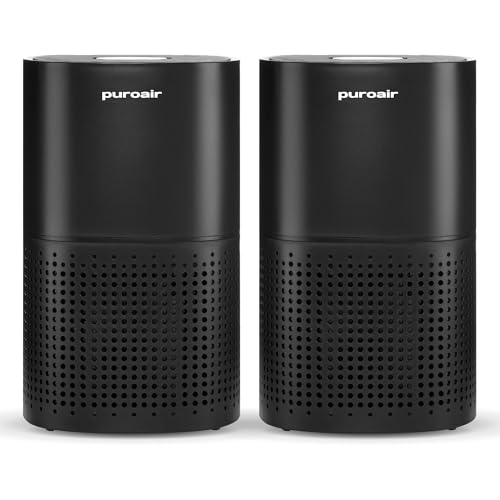
Is a portable air purifier with a carbon filter enough?
Carbon filters can adsorb some VOCs, but their capacity is finite and they do not address formaldehyde effectively unless specifically designed for it. They work best as a supplement to ventilation.
When should I hire a professional for VOC testing?
If IAQ monitor readings stay above 0.1 ppm formaldehyde or 500 µg/m³ TVOC after you have improved ventilation and removed known sources, a professional assessment is warranted. Readings that settle below that screening figure but stay well above EPA’s chronic reference concentration of 0.007 mg/m³ (7 µg/m³) still justify continued source control.[4]
This article provides general guidance and does not replace professional indoor air quality assessment or medical advice. If you suspect elevated VOC or formaldehyde exposure is affecting health, consult a licensed indoor environmental professional and a healthcare provider.


References
- Oxidative damage and impairment of protein quality control systems in keratinocytes exposed to a volatile organic compounds cocktail. Scientific reports, 2017
- Indoor air pollutants, ventilation rate determinants and potential control strategies in Chinese dwellings: A literature review. The Science of the total environment, 2017
- Effects of energy retrofits on Indoor Air Quality in multifamily buildings. Indoor air, 2019
- Formaldehyde CASRN 50-00-0 | IRIS | US EPA. U.S. Environmental Protection Agency, Integrated Risk Information System. https://cfpub.epa.gov/ncea/iris2/chemicalLanding.cfm?substance_nmbr=419
- Selective catalytic oxidation of formaldehyde on single V- and Cr-atom decorated magnetic C(4)N(3) substrate: A first principles study. Journal of hazardous materials, 2022
- Formaldehyde Emission Standards for Composite Wood Products. U.S. Environmental Protection Agency. https://www.epa.gov/formaldehyde/formaldehyde-emission-standards-composite-wood-products
These statements have not been evaluated by the Food and Drug Administration. This information is not intended to diagnose, treat, cure, or prevent any disease. Content is for informational purposes only and is not medical advice; consult a qualified healthcare provider before starting any supplement. As an Amazon Associate we earn from qualifying purchases.
