Landlords performing renovations between tenants have a particular opportunity to build in VOC prevention practices.
- Choose low-VOC materials for between-tenant renovations.
- Schedule a ventilation period between renovation completion and new tenant move-in where possible.
- Informing tenants about recent renovation is reasonable practice, even without a formal requirement.
- This proactive approach reduces both tenant exposure and potential tenant complaint likelihood.
Material Choices for Turnover Renovations
Choosing low-VOC paint and flooring for between-tenant renovations reduces off-gassing exposure for incoming tenants, particularly relevant given the often compressed timeline between renovation completion and new tenant move-in.
Ventilation Timing Before Move-In
Schedule a dedicated ventilation period between renovation completion and new tenant move-in where possible, allowing initial off-gassing decline before occupancy begins.
Transparency With Incoming Tenants
Informing incoming tenants about recent renovation timeline and materials used, even without a formal disclosure requirement, is reasonable practice given the practical relevance to a tenant moving into freshly renovated space.


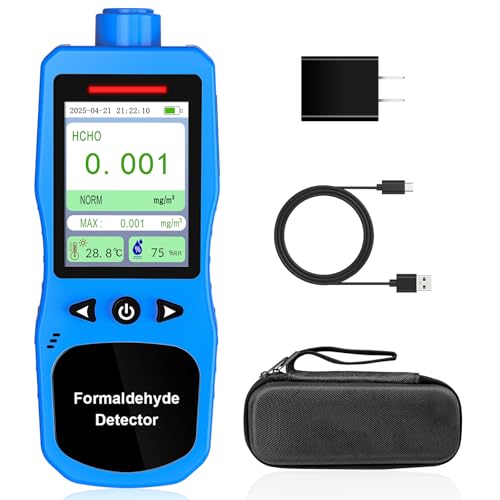
Choose Finishes for Repeated Turnovers, Not a Single One
A rental property is repainted and refitted on a cycle, so a material decision made once is really a decision made repeatedly. That changes the calculation compared with an owner-occupier choosing finishes they expect to live with for years. A product that is marginally more expensive per turnover but is durable, cleanable and repairable can mean fewer full repaints over the life of the tenancy cycle, which reduces both cost and the number of high-emission windows the property goes through.
The same logic applies to flooring. Surfaces that can be cleaned or spot repaired between tenancies, rather than replaced wholesale, avoid repeating the largest single material introduction a unit undergoes. Where replacement is genuinely due, that is the moment at which specifying a lower-emission option is cheapest, because it is an incremental difference on a purchase already being made.
Keep a Record of What Went In and When
Turnover work is easy to remember at the time and hard to reconstruct later. A simple record of what was installed or applied in each unit, which products were used and on what dates, takes very little effort to keep and answers a question that reliably comes up: a tenant reports an odor, and the useful first step is knowing exactly what was done and how recently.
That record is also what allows a straightforward answer rather than a defensive one. Being able to say what was applied, when, and how long the unit was ventilated before occupancy tends to settle a query that would otherwise escalate. What a landlord is actually obliged to disclose, and in what form, varies by state and by local ordinance and is a question for an attorney or the relevant state authority rather than for a general guide.
FAQ
How long should I wait after renovation before a new tenant moves in?
Allow as much ventilation time as your rental turnover schedule permits — even a few days to a week of active ventilation helps address the highest initial off-gassing period.
Do I have to tell an incoming tenant that the unit was just painted?
Disclosure obligations vary by state and by local ordinance, so that is a question for an attorney or your state’s housing authority. Separately from any obligation, telling incoming tenants what was recently done and when tends to prevent the query arising as a complaint.
A tenant reports a strong smell just after turnover. What is a reasonable response?
Check what was applied and how recently, and whether the unit was ventilated between the work finishing and move-in. Recent finishes emit most heavily early and decline, so additional ventilation is usually the immediate step while you establish the timeline.
Balance ventilation timing against practical rental turnover schedule constraints — some ventilation time is better than none.
These statements have not been evaluated by the Food and Drug Administration. This information is not intended to diagnose, treat, cure, or prevent any disease. Content is for informational purposes only and is not medical advice; consult a qualified healthcare provider before starting any supplement. As an Amazon Associate we earn from qualifying purchases.
