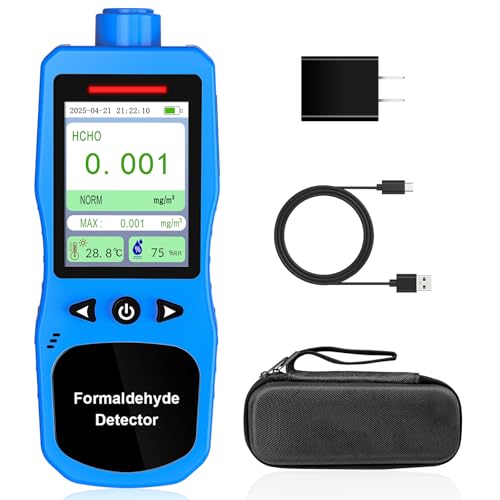
VOC exposure during pregnancy is a commonly raised concern, particularly for expectant parents furnishing a nursery with new furniture.
- General environmental exposure precaution during pregnancy reasonably applies to VOCs.
- Complete nursery furnishing and painting well ahead of the due date to allow off-gassing decline time.
- Choose lower-VOC certified products specifically for nursery furniture given extended infant occupancy.
- This is one of the more practically actionable precautions among home hazards covered on this site.
General Precaution Given Broad Environmental Exposure Guidance
While VOC-specific pregnancy research varies by individual compound (some studied more extensively than others), general guidance to minimize avoidable environmental exposure during pregnancy reasonably applies here, similar to the general prudence recommended for other environmental exposures.
Practical Nursery Furnishing Considerations
If furnishing a nursery, consider purchasing new furniture and completing any painting well ahead of the due date, allowing several weeks to months of ventilation and natural off-gassing decline before the space is regularly occupied.
Choosing Lower-VOC Products for Nursery Furnishing
Given the extended occupancy time infants spend in a nursery, choosing GREENGUARD-certified or similarly verified lower-VOC furniture specifically for this room is a reasonable, targeted precaution.


Who Does the Work Matters as Much as When It Happens
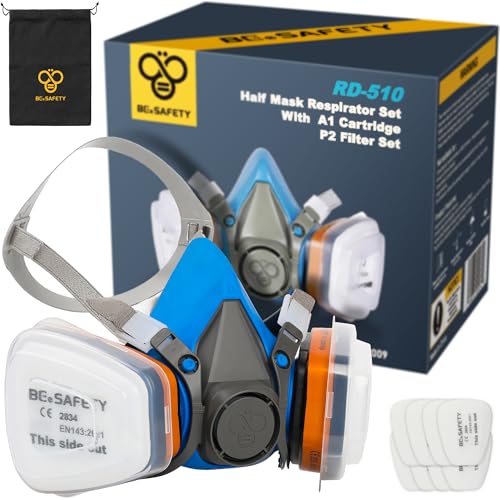
Advice on nursery preparation usually addresses timing, and timing is the larger lever. The separate question is exposure during the work itself, which is concentrated and short rather than low and long: applying paint, adhesives or sealants in an enclosed room is a different kind of exposure from occupying a finished one. Where it is practical, delegating the application and staying out of the space while it is being done and while it dries removes that concentrated window entirely.
Where delegating is not practical, the ordinary precautions are ventilating throughout rather than only afterwards, keeping the door to the rest of the home closed so the room is not being exhausted into it, taking breaks out of the space, and finishing early in the day so the room can be aired before anyone sleeps nearby. Any question about what is advisable in an individual pregnancy is a matter for the reader’s own clinician, who knows the circumstances that a general page cannot.
Unwrap and Air Items Before They Enter the Nursery
Furniture, mattresses and flat-packed items are frequently at their most odorous in the first period after the packaging comes off, and sealed wrapping holds that in until the moment of unboxing. Unwrapping in a garage, on a porch or in a well-ventilated room that nobody sleeps in, and leaving items there for a while before they are carried in, shifts the most intense part of that period out of the room the baby will occupy.
Crib mattresses deserve particular attention simply because of proximity and duration: an infant sleeps directly against that surface for a very large share of the day. Where the manufacturer gives airing guidance, follow it, and where none is given, ordering early enough that the item can be unwrapped and aired well before it is needed costs nothing but planning.
FAQ
How far ahead of my due date should I furnish the nursery?
Several weeks to a couple months ahead is reasonable, allowing natural off-gassing decline and active ventilation time before the space is regularly occupied.
Is it safe for me to paint the nursery myself while pregnant?
That is a question for your own clinician rather than for a general guide, since it depends on individual circumstances. Where painting is being done at all, delegating the application and staying out of the room while it is worked on and drying is the more cautious arrangement.
What should I do about a new crib mattress?
Unwrap it somewhere well ventilated and not used for sleeping, and allow time before it goes into the nursery. Follow any airing guidance the manufacturer provides, and order early enough that waiting is possible.
For specific health questions related to pregnancy and environmental exposures, consult your physician or OB-GYN directly.
These statements have not been evaluated by the Food and Drug Administration. This information is not intended to diagnose, treat, cure, or prevent any disease. Content is for informational purposes only and is not medical advice; consult a qualified healthcare provider before starting any supplement. As an Amazon Associate we earn from qualifying purchases.