VOC health effects span both a noticeable short-term irritation pattern and a less-defined chronic exposure consideration, differing from some other hazards covered on this site.
- VOCs can produce noticeable short-term irritation symptoms, unlike some silent hazards on this site.
- Chronic low-level effects are less uniformly established given the wide variety of specific compounds grouped under ‘VOC.’
- Noticeable symptoms provide a more immediate feedback signal than silent hazards requiring testing alone.
- Increased ventilation in response to noticed symptoms is a reasonable, actionable response.
Short-Term Irritation Effects
Unlike radon or asbestos, VOC exposure at higher concentrations can produce noticeable short-term symptoms — eye/nose/throat irritation, headaches, and dizziness — particularly during the highest initial off-gassing period from new materials in a poorly ventilated space.
Chronic Low-Level Exposure Considerations
Long-term health effects from chronic low-level VOC exposure are less definitively established as a single unified risk category compared to radon or asbestos’s well-documented cancer risk, partly because “VOC” encompasses many different specific compounds with varying individual health profiles rather than one uniform substance.
Why This Distinction Matters
The presence of noticeable short-term symptoms (unlike radon’s silent risk) gives VOC exposure a more immediate feedback signal — if you notice irritation symptoms, that’s meaningful information prompting increased ventilation, distinct from hazards requiring testing to know anything at all.


Why Two People in the Same Room Report Different Things
Response to the same indoor conditions varies between individuals, and public health guidance commonly identifies children, older adults, pregnant people and those with asthma or other respiratory conditions as more susceptible. Someone reporting irritation in a room where nobody else notices anything is not necessarily mistaken, and treating the disagreement as a dispute about the room tends to stall a conversation that should be moving.
A more useful reading is that a difference in reported symptoms is information about susceptibility rather than evidence about concentration. It is a reasonable prompt for ventilation and for measurement, and where symptoms persist it is a reason to involve a physician who can consider explanations that no household measurement addresses.
Absence of Symptoms Is Not a Measurement
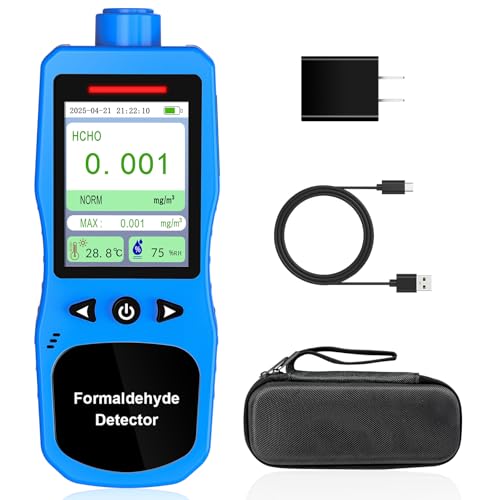
That nobody in the household notices anything does not establish that levels are low. The compounds grouped under this term differ widely in whether they produce a noticeable odor or irritation at all, and the sense of smell adapts to a constant odor, so a household living with something continuously is the group least likely to register it. This is the reason measurement exists alongside how a room feels.
The reverse holds equally. Noticing an odor is not by itself a measurement of a health risk, and some compounds are detectable by smell well below any level of concern while others are not. The practical position is to use perception and measurement together, treating each as a prompt to check the other, and to take questions about health effects on a specific person to a clinician rather than settling them from a reading.
FAQ
Will I notice symptoms if VOC levels in my home are high?
Possibly — unlike radon, higher VOC concentrations can produce noticeable irritation symptoms (eye/throat irritation, headaches), giving you a more immediate signal than some silent hazards.
Should I see a doctor about symptoms I think are related to my home?
Yes. Describe the timing, which rooms are involved, and anything recently installed, applied or stored, and bring any measurements you have. A clinician can consider causes that a monitor cannot see and can advise on your particular circumstances.
If symptoms stop when I leave the house, does that confirm the cause?
It is useful information to give a clinician, but it does not on its own identify which compound or which source is involved, and a good deal besides the air changes when you leave a building.
This article summarizes general health-risk information. For personal health concerns, consult a physician.
These statements have not been evaluated by the Food and Drug Administration. This information is not intended to diagnose, treat, cure, or prevent any disease. Content is for informational purposes only and is not medical advice; consult a qualified healthcare provider before starting any supplement. As an Amazon Associate we earn from qualifying purchases.