The most effective VOC mitigation strategy combines multiple approaches rather than relying on any single method alone.
- Ventilation is the primary, most direct mitigation method, especially during peak off-gassing.
- Air purification supplements ventilation, particularly valuable when open-window ventilation isn’t practical.
- Choosing lower-VOC products for future purchases is the most effective long-term strategy.
- Combining all three approaches provides more comprehensive management than any single method alone.
Ventilation as the Primary Method
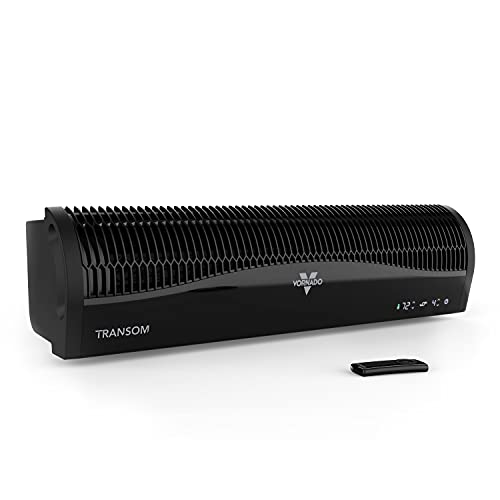
Active ventilation (open windows, HVAC fan mode) remains the most direct, immediate way to reduce indoor VOC concentration, and should be the primary method during the highest initial off-gassing period after new material introduction.
Air Purification as a Supplement
Activated carbon air purification supplements ventilation, particularly valuable during seasons or times when open-window ventilation isn’t practical, helping maintain lower levels between active ventilation sessions.
Source Reduction as the Long-Term Strategy
Choosing lower-VOC products for future purchases (GREENGUARD-certified furniture, low-VOC paint) is the most effective long-term strategy, reducing the need for intensive mitigation with each new material introduction going forward.

Sequencing the Three Methods After a New Purchase
The three approaches are not equally useful at the same moment, so ordering them helps. Emissions from new materials are generally highest when the item is new and decline from there, which makes the first days and weeks the period where active ventilation earns the most.
In practice that means leaning hard on ventilation immediately after the item arrives, unwrapping and airing it in a garage, porch or spare room first where that is possible. Once the initial peak has passed, an activated carbon purifier carries more of the load during the longer tail, particularly through weather that makes open windows impractical. Source reduction is not a response at all, it is a decision you make at the point of the next purchase.
Why Source Reduction Compounds Over Time
Ventilation and filtration are both recurring effort. You run them, they help, and when you stop the underlying source is still there. Choosing a lower-emitting product instead removes part of the load permanently, so it does not need to be managed again next season or by whoever lives there next.
That difference compounds. A household that has quietly defaulted to lower-emitting paint, flooring and furniture across several years of ordinary replacement purchases ends up with a lower baseline without ever having run a dedicated mitigation project. This is the least dramatic of the three methods and generally the one with the most durable effect.
FAQ
Which VOC mitigation method should I prioritize if I can only do one?
Ventilation — it’s the most direct, immediate, and cost-effective method, especially during the highest initial off-gassing period.
How long should I ventilate aggressively after new furniture arrives?
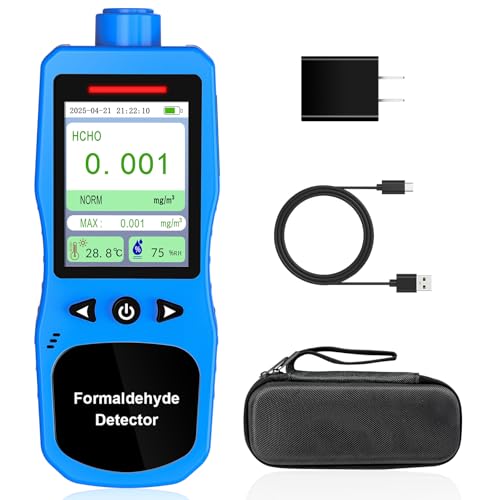
There is no single interval that fits every material, but emissions are generally highest at the start and decline from there. Ventilating actively through the first days and weeks, then tapering as your monitor readings settle, matches that curve better than picking a fixed number of days in advance.
Does running an air purifier mean I can skip ventilating?
Not really. Activated carbon filtration removes some airborne compounds but does nothing to bring in outside air, and its capacity is finite between filter changes. Ventilation dilutes and removes; filtration captures. They are complementary rather than interchangeable.
Do houseplants meaningfully reduce VOCs in a home?
Not at any practical scale. The idea comes from sealed chamber experiments whose conditions do not resemble a ventilated room, and the number of plants required to match even modest ventilation is not realistic for a home. Keep plants because you like them, not as a mitigation strategy.
For persistent concerns despite combining these approaches, consider professional indoor air quality consultation.
These statements have not been evaluated by the Food and Drug Administration. This information is not intended to diagnose, treat, cure, or prevent any disease. Content is for informational purposes only and is not medical advice; consult a qualified healthcare provider before starting any supplement. As an Amazon Associate we earn from qualifying purchases.
