VOCs don’t have as well-documented a specific compounding interaction (like radon-smoking) but do factor into general indoor air quality alongside other concerns.
- Poor general ventilation can cause multiple indoor air quality concerns to cluster together.
- Individuals with existing respiratory sensitivities may experience compounded irritation from combined air quality issues.
- VOCs don’t have as well-documented a specific compounding interaction as radon-smoking.
- A holistic ventilation approach benefits VOC management alongside other air quality concerns simultaneously.
VOCs and General Indoor Air Quality
A home with poor general ventilation can see multiple indoor air quality concerns (VOCs, particulates, humidity-related mold risk) cluster together, since the same tight, under-ventilated building envelope affects all of these simultaneously rather than being isolated, unrelated issues.

VOCs and Respiratory Sensitivity Conditions
Individuals with existing respiratory conditions (asthma, chemical sensitivities) may experience compounded irritation effects when VOC exposure occurs alongside other air quality irritants, even without a specific documented biochemical interaction the way radon-smoking has.
A Holistic Ventilation Approach
Addressing general home ventilation (rather than treating VOCs in complete isolation) provides broader indoor air quality benefit, since good ventilation practices help manage VOCs alongside other air quality concerns simultaneously.

Why Tight, Efficient Homes Concentrate Everything
The reason several indoor air concerns tend to appear together is usually structural rather than chemical. Homes built or retrofitted for energy efficiency are deliberately sealed against uncontrolled air leakage, which is exactly what makes them efficient. The same sealing slows the rate at which indoor air is replaced by outdoor air.
Anything generated indoors therefore accumulates further before it disperses, whether that is emissions from materials, cooking particulates, moisture from washing and showering, or carbon dioxide from the people in the room. This is why several unrelated readings often move together, and why deliberate ventilation matters more in a well-sealed home than in a draughty one. Newer construction frequently includes mechanical ventilation for precisely this reason, and where it exists it is worth confirming it is actually running and that its filters have been serviced.
Working Out Which Problem You Actually Have
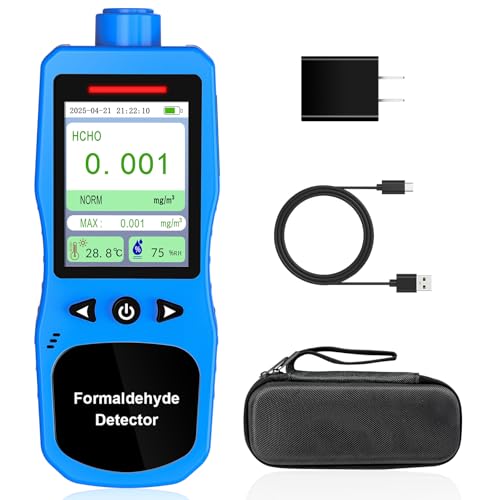
Because these concerns cluster, it is easy to attribute a symptom to whichever one you happen to have been reading about. Measurement is what separates them, and a multi-sensor monitor is genuinely useful here because the pattern across several readings is more diagnostic than any single one.
Persistent high humidity points toward moisture and mould risk rather than emissions. Carbon dioxide climbing through the evening in an occupied room indicates insufficient fresh air rather than a contaminant. A volatile organics reading that rose when something new arrived and is falling week over week is ordinary off-gassing. Two things worth restating: carbon dioxide is not carbon monoxide, and neither a general monitor nor any amount of ventilation reasoning substitutes for a dedicated carbon monoxide alarm.
FAQ
Do VOCs make other air quality problems worse, like mold does?
Not through a specific documented biochemical interaction, but poor general ventilation can allow multiple air quality issues to cluster together, and existing respiratory sensitivities may experience compounded irritation from combined exposures.
My monitor shows both high humidity and high VOC. Are they connected?
Often indirectly, through the same cause. Insufficient air exchange lets both build up at once, so they rise together without one producing the other. Improving ventilation frequently moves both.
Does an air purifier help with all of these at once?
No. Activated carbon addresses gases and HEPA addresses particulates, but no filter removes moisture or carbon dioxide. Those need ventilation or dehumidification, which is why filtration alone rarely resolves a cluster of readings.
Is an energy audit worth getting?
It can be, since an audit measures how much air the building actually exchanges and often identifies whether existing mechanical ventilation is working. That is the underlying variable behind several readings at once, so it addresses the cause rather than the symptoms.
This describes general patterns. For specific personal risk assessment, particularly with existing respiratory conditions, consult a physician.
These statements have not been evaluated by the Food and Drug Administration. This information is not intended to diagnose, treat, cure, or prevent any disease. Content is for informational purposes only and is not medical advice; consult a qualified healthcare provider before starting any supplement. As an Amazon Associate we earn from qualifying purchases.